Book Online
CO2 Laser Resurfacing
CO2 laser resurfacing is a skin treatment that uses carbon dioxide laser energy to remove damaged outer layers of skin. As the skin heals, new collagen forms to soften wrinkles, smooth acne scars, and improve sun damage.
Etched lines around your eyes and mouth, acne scars that makeup never quite hides, and years of sun damage can outlast every cream and peel you try. When lighter treatments stop making a visible difference, CO2 laser resurfacing reaches deeper to reveal smoother, more even skin.
At Cosmetic Enhancement Center of New England, we offer CO2 laser resurfacing to patients from Portland, Falmouth, Waterville, and communities across Maine. We have been perfecting the art of medical aesthetics for 30+ years, and every treatment plan starts with a complimentary consultation.

 How Does CO2 Laser Resurfacing Work?
What Can CO2 Laser Resurfacing Treat?
Am I a Good Candidate for CO2 Laser Resurfacing?
How Do I Prepare for CO2 Laser Resurfacing?
What Happens During CO2 Laser Resurfacing?
What Is Recovery Like After CO2 Laser Resurfacing?
Is CO2 Laser Resurfacing Safe?
When Will I See CO2 Laser Results, and How Long Do They Last?
Why Choose Cosmetic Enhancement Center of New England?
What Else Do Patients Ask About CO2 Laser Resurfacing?
What Do Patients Say About Their Experience?
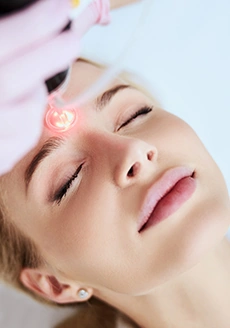
CO2 laser resurfacing is an ablative laser treatment. Ablative means the laser removes a thin layer of damaged skin. Nonablative lasers, by comparison, heat the skin without removing any of it.
Fractional describes something different: how the laser energy is delivered. A fractional laser treats a grid of tiny zones and leaves untouched skin between them, instead of treating the entire surface.
Traditional CO2 resurfacing was fully ablative, meaning it treated the whole surface at once and required weeks of recovery. Fractional CO2 pairs the strength of an ablative laser with fractional delivery, a combination that balances results with safety. This is the approach we use at CEC.
CO2 resurfacing is one of several laser resurfacing treatments we offer. For patients who want a lighter refresh with less downtime, CoolPeel® uses CO2 energy at a more superficial level. We will help you choose the depth that fits your skin and your schedule.
How Does CO2 Laser Resurfacing Work?
The laser creates microscopic channels through the skin’s surface and into the layer beneath it. Healthy skin surrounds each channel, which helps the treated area heal more quickly.
As your skin repairs those channels, your body clears away damaged tissue and builds fresh collagen. Collagen is the protein that keeps skin firm and smooth, and it continues to form for months after treatment.
We can adjust the laser’s power, depth, and coverage to match your concern. Settings range from a gentle surface refresh to deeper work on established lines and scars. Stronger settings generally bring more improvement, along with a longer recovery.


What Can CO2 Laser Resurfacing Treat?
Patients choose CO2 laser resurfacing to improve:
- Fine lines and wrinkles, especially around the eyes, mouth, and cheeks
- Acne scars and other indented scars
- Sun damage, sun spots, and blotchy pigmentation
- Rough, uneven texture and enlarged pores
- Stretch marks
Wrinkle improvement is measurable. One study used 3D skin measurements to track three fractional CO2 sessions. Treatment reduced wrinkle depth by 51.3 percent on the cheeks and 31.1 percent around the eyes. Pigmentation also became more even in both areas.
Acne scars respond well too. A randomized trial compared treated and untreated areas on the same patients. Three monthly fractional CO2 sessions improved scar texture and depth, and the improvement was still present six months later.
Am I a Good Candidate for CO2 Laser Resurfacing?
You may be a good candidate for CO2 laser resurfacing if you:
- Have wrinkles, scarring, or sun damage that lighter treatments have not improved
- Can plan for several days to a week or more of recovery
- Are ready to protect your skin from the sun while it heals
- Want gradual, natural-looking change rather than an overnight transformation
We also review your health history before recommending CO2. Our team will ask about recent acne medications, how your skin has healed after past injuries, and whether you get cold sores.
Skin tone matters too. Laser experts adjust CO2 settings for medium and deeper skin tones to lower the risk of pigment changes. If CO2 is not the right fit for you, we will tell you and recommend a treatment that is.

How Do I Prepare for CO2 Laser Resurfacing?
Before your appointment, you will receive personalized instructions. Your provider may ask you to:
- Avoid alcohol, fish oil, and ibuprofen before treatment
- Stay out of the sun and avoid tanning in the weeks before treatment
- Pause retinoids and exfoliating products a few days beforehand
- Tell us if you get cold sores, since preventive medication may be prescribed
- Arrive with clean skin, free of makeup and lotions
What Happens During CO2 Laser Resurfacing?
Your appointment begins with cleansing and a topical numbing cream, which needs time to take full effect. Once your skin is numb, your provider guides the laser across the treatment area in a careful pattern.
Your provider uses cooling throughout the session to keep you comfortable. Treatment time depends on the size of the area and the depth of your settings.

What Is Recovery Like After CO2 Laser Resurfacing?
Right after treatment, your skin will look and feel sunburned, with redness, swelling, and tightness. Over the next few days, it darkens and feels rough, then flakes and peels as new skin surfaces.
Lighter treatments typically settle within several days. Deeper treatments take longer, and many patients plan for a week or more at home before they feel ready to be seen.
How Can I Speed Up Healing After CO2 Laser?
Careful aftercare protects your results and helps your skin heal on schedule:
- Keep your skin moist with the ointment we recommend
- Use cool compresses for warmth and swelling, but never apply ice directly
- Avoid alcohol, fish oil, and ibuprofen immediately after treatment
- Let flaking skin shed on its own, with no picking, scrubbing, or exfoliating
- Stay out of the sun, then use broad-spectrum SPF 30 or higher once our team clears you
- Skip workouts, saunas, and anything that makes you sweat heavily until cleared
Is CO2 Laser Resurfacing Safe?
Fractional CO2 has a reassuring safety record. In a review of 730 patients treated with fractional lasers, complications after fractional CO2 occurred in 6.4 percent of patients. They were generally minor, and all of them resolved.
Possible side effects and risks include:
- Redness, swelling, and peeling, which are an expected part of healing
- Acne breakouts or skin irritation while your skin recovers
- Cold sore flare-ups in patients who are prone to them
- Temporary darkening of the skin
- Infection, which is uncommon
- Scarring or lasting pigment changes, which are rare
Careful screening, preventive medication when needed, and strict aftercare all help lower these risks. If anything looks or feels unusual while you heal, contact our team right away.
When Will I See CO2 Laser Results, and How Long Do They Last?
You will see brighter, smoother skin once peeling finishes and redness fades. The more meaningful change comes later. Because collagen keeps rebuilding for months, lines and scars continue to soften well after your skin has healed.
How long your results last depends on your skin, your sun exposure, and your home care. CO2 resurfacing does not stop the aging process, and results vary per patient. Daily sunscreen and a routine built on medical-grade skincare help you keep your results longer.

Why Choose Cosmetic Enhancement Center of New England?
With CO2 resurfacing, results depend on careful screening and precise laser settings. Experience makes the difference. Cosmetic Enhancement Center of New England has served Maine since 1989, and we have cared for more than 32,000 patients.
Your treatment is performed by one of our experienced providers, overseen by Maria Atkins, DO. Dr. Atkins is the owner and Medical Director of CEC and a Fellow of the American Society for Laser Medicine and Surgery.
Our standard is simple. We only offer treatments we believe in, and we tell you honestly when a treatment is not right for you. When you choose CEC, you can expect:
- A complimentary consultation, in person or virtually
- A personalized plan built around your skin, goals, and schedule
- Clear aftercare instructions and follow-up support while you heal
What Else Do Patients Ask About CO2 Laser Resurfacing?
How much does CO2 laser resurfacing cost?
Your cost depends on the area treated, the depth of your treatment, and how many sessions your plan includes. Visit us for a consultation for pricing, since treatment plans are tailored to each patient’s individual needs. Consultations are complimentary, and financing is available through CareCredit®.
How many CO2 laser treatments will I need?
It depends on your goals and how deep your treatment goes. Lighter treatments are often scheduled as a series about a month apart, similar to the three-session plans used in the studies above. We will recommend a number after examining your skin.
Does CO2 laser resurfacing tighten skin?
CO2 resurfacing can bring modest firming as new collagen forms, especially in thin skin around the eyes and mouth. For looser skin along the jawline or neck, dedicated skin tightening treatments may be a better fit or a helpful complement.
What is the best time of year for CO2 laser resurfacing in Maine?
Fall and winter are the easiest seasons for many patients here. Healing skin is highly sensitive to the sun, and shorter days make strict sun avoidance more realistic. Summer treatment is possible with disciplined sun protection, and we will help you choose the right timing.
Can CO2 laser resurfacing treat areas other than the face?
Yes. The neck, chest, and hands are common treatment areas, and they often show sun damage earlier than patients expect. We use gentler settings on these areas because the skin is thinner and heals more slowly than facial skin.
How is CO2 laser resurfacing different from microneedling or a chemical peel?
CO2 resurfacing removes damaged tissue with laser energy and reaches deeper than many peels. It typically delivers more correction in fewer sessions, with more recovery time in exchange. Microneedling and chemical peels suit milder concerns and work well for maintenance between resurfacing treatments.
Does CO2 laser resurfacing hurt?
Many patients describe a hot, prickling sensation during treatment. Numbing cream and continuous cooling keep it manageable, and deeper settings feel more intense than lighter ones. Afterward, your skin may feel warm and tight for a day or two, much like a sunburn.
When can I wear makeup after CO2 laser resurfacing?
Wait until peeling has finished and the surface of your skin is fully intact. That is usually several days after a lighter treatment and longer after a deeper one. We will tell you when it is safe to restart makeup and your regular skincare.


Ready to Schedule Your Complimentary Consultation?
If lines, scars, or sun damage have you ready for a bigger change, CO2 laser resurfacing may be your next step. During your complimentary consultation, your providers will examine your skin and recommend the treatment depth that fits your goals.
Cosmetic Enhancement Center of New England welcomes patients from Portland, Falmouth, Waterville, and across Maine. When you book, our team will help you schedule at the location that best fits your treatment plan.
"*" indicates required fields

Refer a Friend
Refer your friends and they’ll save $50 off their first visit at CEC! After they…

Happy Birthday!
Birthday Discount: 20% off ONE treatment OR product Disclaimer: Discount can be used 30 days…
 Follow us on Instagram @cecofne
Alexiades-Armenakas MR, Dover JS, Arndt KA. Fractional laser skin resurfacing. J Drugs Dermatol. 2012;11(11):1274-1287. https://pubmed.ncbi.nlm.nih.gov/23135075/
Kohl E, Meierhöfer J, Koller M, et al. Fractional carbon dioxide laser resurfacing of rhytides and photoageing: a prospective study using profilometric analysis. Br J Dermatol. 2014;170(4):858-865. https://doi.org/10.1111/bjd.12807
Hedelund L, Haak CS, Togsverd-Bo K, Bogh MK, Bjerring P, Haedersdal M. Fractional CO2 laser resurfacing for atrophic acne scars: a randomized controlled trial with blinded response evaluation. Lasers Surg Med. 2012;44(6):447-452. https://doi.org/10.1002/lsm.22048
Levy T, Lerman I, Waibel J, et al. Expert consensus on clinical recommendations for fractional ablative CO2 laser, in facial skin rejuvenation treatment. Lasers Surg Med. 2025;57(1):15-26. https://pubmed.ncbi.nlm.nih.gov/39434507/
Cohen SR, Goodacre A, Lim S, et al. Clinical outcomes and complications associated with fractional lasers: a review of 730 patients. Aesthetic Plast Surg. 2017;41(1):171-178. https://www.springermedicine.com/clinical-outcomes-and-complications-associated-with-fractional-l/20765556
This content has been authored or reviewed and approved by Maria Atkins, DO, or her staff.