Every year around the time the leaves change, the same question lands in our inbox: is it too early to start laser treatments before the holidays? For many of our patients in Portland, Falmouth and Waterville, the answer is the opposite. Fall is one of the most popular times to begin, and there are good reasons for it.
Less sun makes planning easier
Sun exposure is the biggest factor when your provider plans a laser treatment. Many lasers work best, and are most comfortable, when your skin has not been recently tanned or burned, and you will be asked to protect treated skin from the sun afterward. By October, Maine summers are behind us, tans have faded, and the sun is lower and weaker. That makes it easier to follow the sun protection guidance your provider gives you.
A note on sunscreen: it is still a daily habit in every season. UV reaches us on cloudy days and bounces off snow, so a broad spectrum SPF is part of aftercare all year.
Time to finish a series before the big dates
A lot of laser treatments are done as a series rather than a single visit, and results build over weeks. Starting in October gives you room to spread visits out and see progress by the holidays, a winter trip, or the start of the new year. If you wait until December, the calendar gets crowded fast.
Hats, scarves and cooler weather help with downtime
Some treatments leave skin looking pink or feeling sensitive for a short time, and some need several days or about a week of healing. Fall and winter are a practical time for that. A hat, a scarf or a cozy collar is normal in Maine from now until spring, and you are spending more time indoors, away from strong sun.
Downtime varies a lot by treatment and by person, so your provider will tell you what to expect before you book.
The lasers and devices we offer at CEC
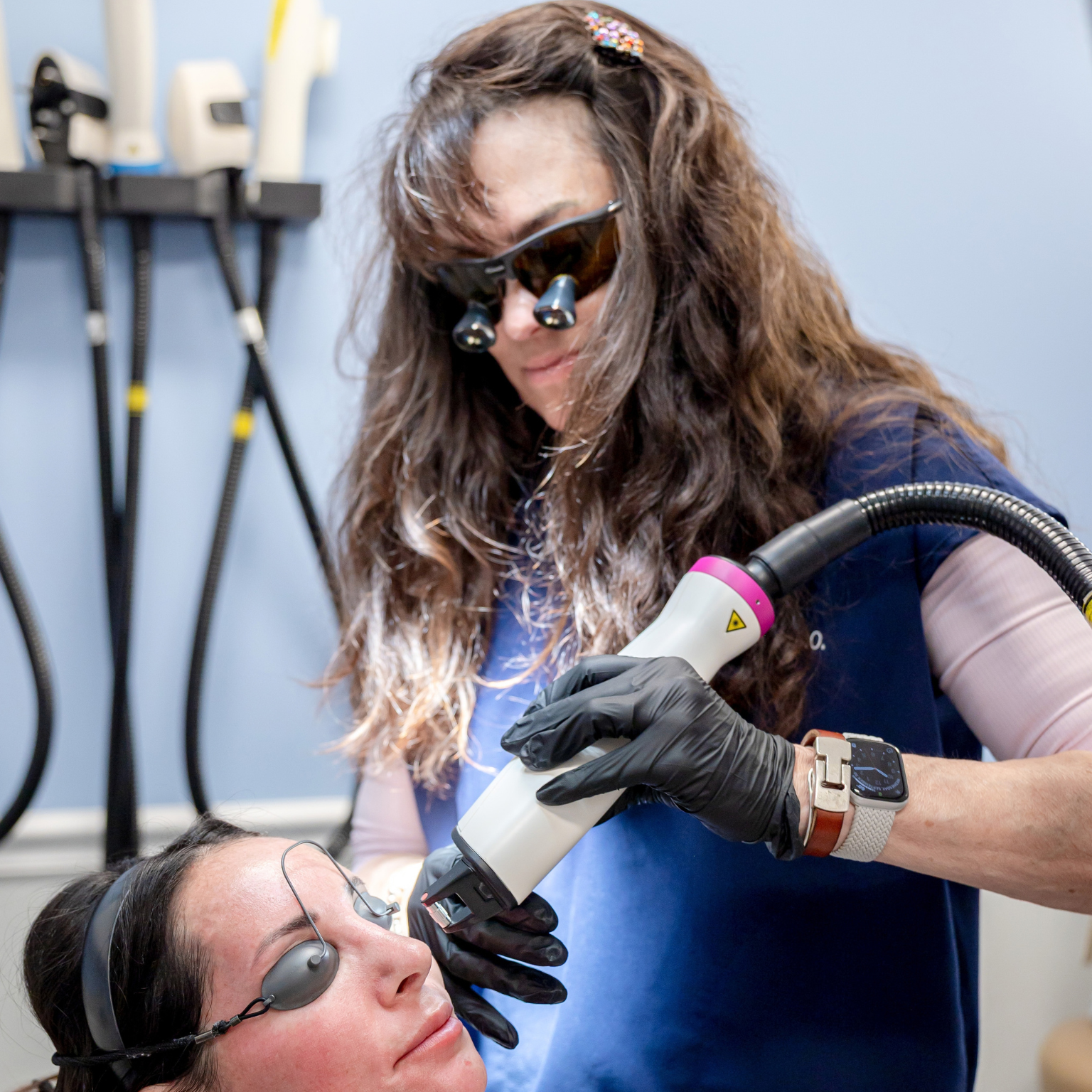
We use different technologies for different concerns, which is why a consult comes first. Here is a simple guide to what each one is known for.
Nordlys. Nordlys is a multi-technology platform. We use it for Frax 1940 fractional laser treatments, IPL photofacials and our Light
and Bright treatment. It is commonly used for concerns like sun damage, uneven tone, redness, and texture.
CO2 laser. A resurfacing laser used for skin renewal, including texture and some scarring. Because it works more deeply, it typically involves more downtime than gentler options, which is one reason fall is a popular time to schedule it.
Picoway. A picosecond laser that delivers very short pulses of energy. It is used for brown spots and other pigmentation, and it is also used for tattoo removal, with generally minimal downtime.
VBeam. A pulsed dye laser used for visible blood vessels and redness, including broken capillaries on the face, cherry hemangiomas, and for some types of scars and stretchmarks.
Varilite. A laser that targets hemoglobin in blood vessels, that we primarily use to treat venous lakes.
Motus laser hair removal. Laser hair removal is done in a series of treatments. Fall is a popular start because hair that is growing is easier to treat and you can avoid sun exposure on treated areas while you are covered up.
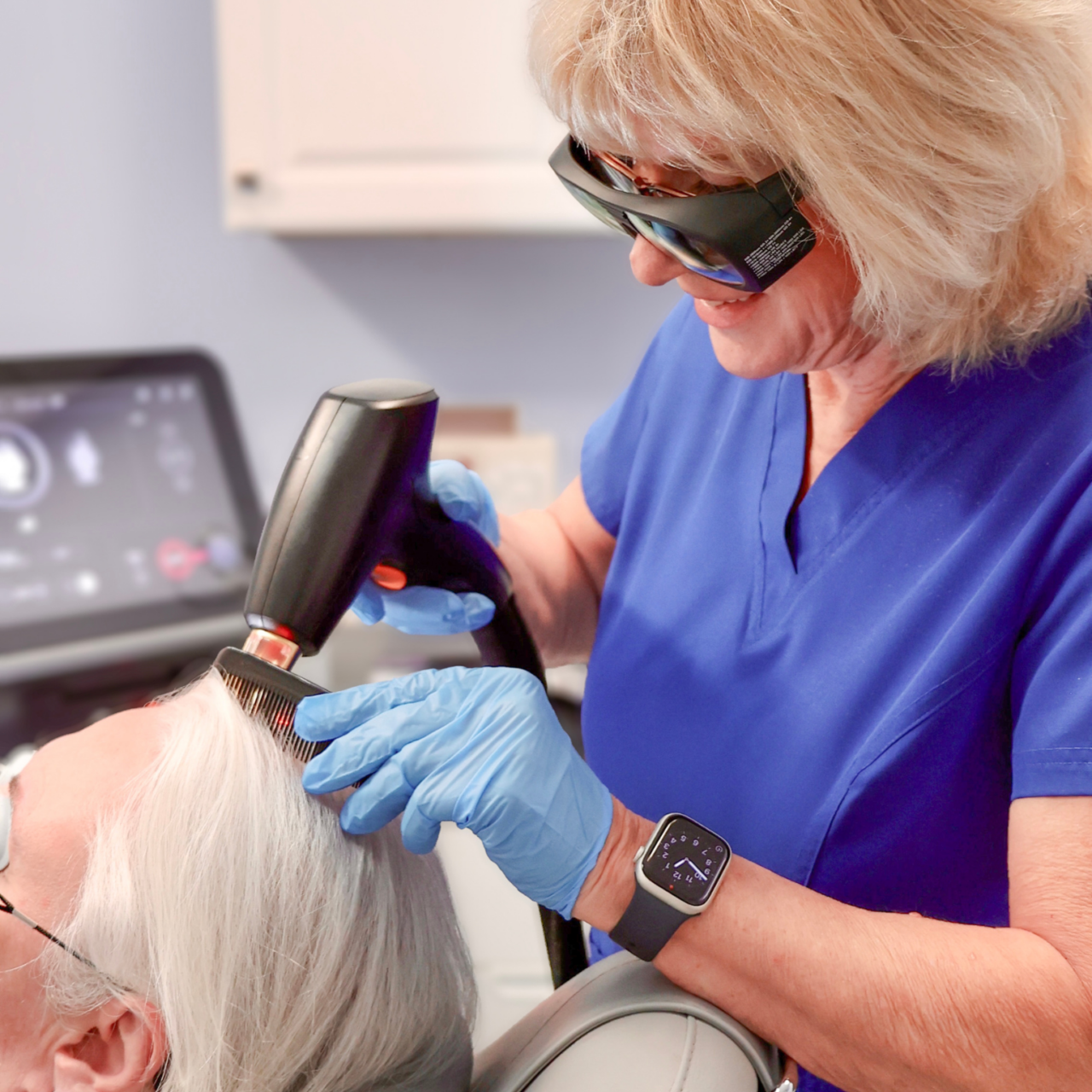
FoLix. The first FDA-cleared fractional laser for hair loss, harnessing the power of hair laser technology to rejuvenate your scalp and stimulate hair follicles.
AviClear. A laser treatment for acne. It targets the sebaceous glands that produce oil and is done in a short series of visits, with no downtime required.
Smoothbeam. A diode laser that heats the skin’s oil glands and underlying tissue without damaging the surface, used to mainly treat sebaceous hyperplasia.
Which laser is right for you?
The honest answer is that it depends on your skin, your goals and your schedule. Our team of experienced providers will sit down with you and figure out exactly what you’re hoping to change, discuss downtime, medical history and more. This conversation will help your provider recommend the right device, number of visits, cost, and the right timing to get started on your treatments.
What to do before your first laser visit
Wear sunscreen daily and avoid tanning, including tanning beds and self tanners on the area being treated unless your provider says otherwise. Tell your provider about any products, medications or recent treatments. Bring photos of your concerns, and ask about aftercare so you can plan your calendar around any downtime.
Ready to plan your fall laser treatments?
Book a complimentary consultation with our team and we will walk you through the options, timing and what to expect. Individual results vary, and the right plan depends on your skin and goals. Call us to schedule at Portland, Falmouth or Waterville, or book your consultation online.